



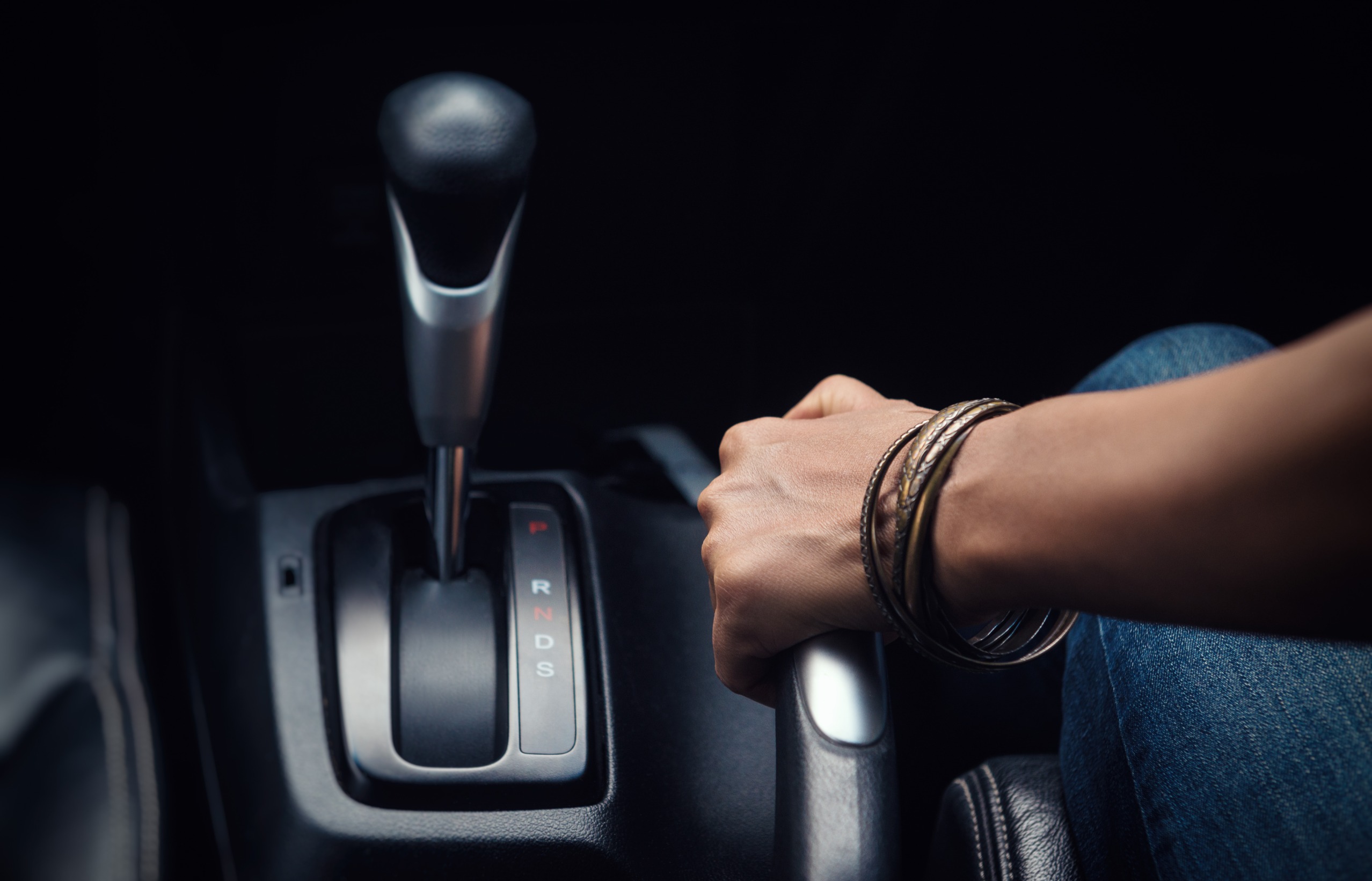
If you start your car on a cold Wilmington morning and notice that your parking brake is stuck, you’re not alone. A frozen or sticking parking brake is a common issue in winter weather, especially for European vehicles like BMW, Audi, Mercedes-Benz, Volkswagen, MINI, and Volvo, which use more sensitive brake and cable assemblies.
At Performance Auto Specialists in Wilmington, NC, we repair and maintain European braking systems every day. Here’s what causes a parking brake to freeze and how to prevent it.
Why Your Parking Brake Gets Stuck
A sticking or frozen emergency brake can happen for several reasons:
- Cold or Freezing Temperatures
When temperatures dip close to freezing, moisture can collect inside the brake cables or calipers. This causes ice to form and lock the brake in place. - Rust or Corrosion (Very Common in Coastal NC)
Wilmington’s salty air and humidity speed up corrosion. European cars with less frequently used parking brakes can develop rust on cables, levers, and calipers. - Improper or Infrequent Use
Not using your brake regularly (or using too much force) can lead to sticking parts or a stretched cable. - Long-Term Parking
Leaving the brake engaged for days or weeks can cause components to bind, especially on vehicles with rear drum-in-hat parking systems (common on BMWs and Audis).
How to Prevent Your Parking Brake From Freezing
You can avoid most frozen-brake issues with a few simple habits:
- Park in a Garage or Covered Area
Keeping your car out of the cold helps prevent moisture from freezing inside the brake system. - Get Routine Brake Maintenance
During a service visit, we inspect and lubricate your parking brake cables, levers, and calipers. This is especially important on European cars, which often use more intricate brake mechanisms. - Use Your Parking Brake Regularly
Engage it every time you park, or at least once a day. This prevents rust and keeps the mechanism moving freely. - Don’t Over-Apply the Brake
You only need light, firm pressure. Forcing the lever can damage cables or stretch internal components. - Avoid Using the Brake Below 32°F (If Possible)
If freezing weather is in the forecast, leave the car in “Park” instead of engaging the parking brake, especially for overnight parking. - Use Protective Coatings
Silicone or graphite-based lubricants, rust inhibitors, and water-repellent sprays can reduce corrosion and moisture buildup.
If your parking brake does freeze, don’t force it. You could damage the cables or caliper components. Call your mechanic instead.
Do I Really Need to Use My Parking Brake Every Time?
Yes, especially in European cars.
Using your parking brake takes pressure off your transmission’s parking pawl and provides a backup if your hydraulic brakes fail. It’s good practice whether you’re parked on a hill or a flat surface.
European Brake Experts in Wilmington, NC
At Performance Auto Specialists, we specialize in braking systems for European makes and models. Our certified technicians understand the unique parking-brake setups these cars use and how coastal weather affects them. Call (910) 343-1650 or schedule your appointment online today!
Tags: