



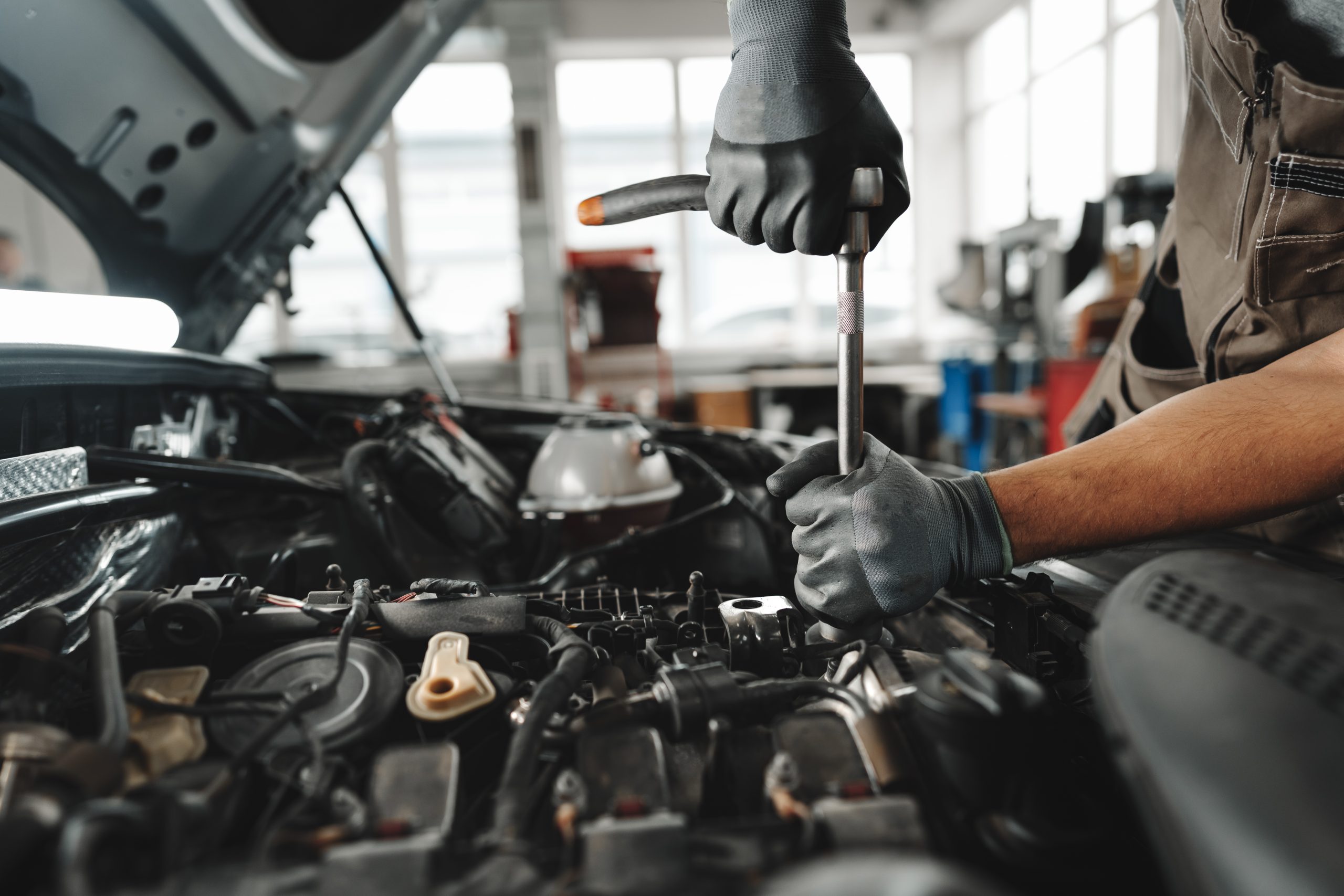
Owning a European vehicle comes with a certain level of pride and responsibility. Whether you drive a BMW, Mercedes-Benz, Audi, Volkswagen, Volvo, Mini, Jaguar, or Porsche, you already know these vehicles are engineered differently. They deliver performance, precision, and comfort, but they also require a thoughtful approach when something goes wrong.
One of the most common questions we hear at Performance Auto Specialists (PAS) is: “Should I fix this myself, or bring it into the shop?”
The answer isn’t always black and white. That’s why we’ve created a clear, practical decision checklist to help you decide when DIY makes sense and when it’s smarter (and often cheaper) to let a professional handle it.
Step 1: How Complex Is the Repair?
Start with the basics: what exactly are you trying to fix?
DIY-friendly repairs typically include:
- Replacing wiper blades
- Changing air filters (cabin or engine)
- Swapping out light bulbs
- Battery replacement (on some models)
These are generally straightforward and don’t require specialized tools or deep mechanical knowledge.
Shop-recommended repairs include:
- Engine diagnostics
- Electrical system issues
- Transmission work
- Cooling system repairs
- Anything involving sensors or modules
European vehicles rely heavily on interconnected systems. What looks like a simple issue can actually be tied to multiple components working together behind the scenes.
Checklist Question:
Does this repair involve more than one system or require advanced diagnostics?
If yes, it’s time to consider a professional.
Step 2: Do You Have the Right Tools?
European cars aren’t built with a “one-size-fits-all” approach. Many require specialized tools that most DIYers simply don’t have in their garage.
For example:
- Torx and triple-square fasteners are common
- Brake service tools may be model-specific
- Some oil changes require specialized extraction equipment
- Diagnostics often require manufacturer-level scan tools
At PAS, we use state-of-the-art computerized diagnostics designed specifically for European vehicles. These tools allow us to communicate directly with your car’s onboard systems, something a generic code reader just can’t do.
Checklist Question:
Do you already own the exact tools needed for this job?
If not, the cost of buying them may outweigh the savings of DIY.
Step 3: What’s the Risk of Getting It Wrong?
This is where many DIY repairs go sideways, especially with European cars.
A small mistake can lead to:
- Triggered warning lights
- Reduced performance
- Additional damage to surrounding components
- Costlier repairs down the line
For example, using the wrong type of oil or incorrect parts (even if they “look the same”) can cause long-term engine damage. European vehicles are built with tight tolerances, and they don’t respond well to guesswork.
At Performance Auto Specialists, we only use OEM (original equipment manufacturer) parts, just like the dealership, because we know how critical precision is for these vehicles.
Checklist Question:
If this repair goes wrong, how expensive will it be to fix?
If the answer makes you uneasy, it’s better to play it safe.
Step 4: Do You Have the Time?
DIY repairs often take longer than expected, especially if it’s your first time tackling the job.
What seems like a quick Saturday project can turn into:
- Multiple trips to the parts store
- Hours of online research
- Unexpected complications mid-repair
Meanwhile, your car is out of commission.
Our ASE-certified technicians at PAS have years of experience working under European hoods. What might take you an entire weekend, we can often diagnose and repair much more efficiently, getting you back on the road faster.
Checklist Question:
Can you afford for your car to be down longer than expected?
Step 5: Is There a Warning Light Involved?
If your check engine light is on, this is one area where DIY can quickly become misleading.
Modern European vehicles generate complex fault codes that often require interpretation, not just reading. A basic scanner might give you a general idea, but it won’t pinpoint the root cause.
At PAS, our computerized diagnostics go deeper, allowing us to identify exactly what’s wrong and why, saving you from replacing parts unnecessarily.
Checklist Question:
Are you diagnosing the issue or just guessing based on a code?
If it’s the latter, it’s time for a professional diagnosis.
Step 6: Are You Working With OEM Parts?
Not all parts are created equal. This is especially true for European vehicles.
Aftermarket parts might be cheaper upfront, but they can lead to:
- Poor fit
- Reduced performance
- Shorter lifespan
- Compatibility issues with your vehicle’s systems
We’ve seen it time and time again: DIY repairs using “looks the same” parts that end up costing more in the long run.
At Performance Auto Specialists, we use OEM parts backed by a 24-month/24,000-mile warranty, giving you peace of mind that the job was done right.
Checklist Question:
Are you confident in the quality and compatibility of the parts you’re using?.
The Bottom Line: Know When to DIY—and When to Trust the Experts
DIY repairs can be rewarding, cost-effective, and even enjoyable when the job is simple and low-risk. But European vehicles require a higher level of precision, expertise, and equipment that often makes professional service the smarter choice.
If you’re ever unsure, don’t guess.
Performance Auto Specialists has been serving Wilmington drivers since 1991 with reliable, affordable European auto repair. Our ASE-certified technicians, advanced diagnostics, and commitment to OEM-quality parts mean you get dealership-level service—without dealership pricing.
Not sure if your repair is DIY-worthy? Bring it to PAS.
We’ll give you an honest answer, a clear quote, and the confidence to make the right decision for your car.
Because at the end of the day, it’s not just about fixing a problem. It’s about protecting the performance, safety, and longevity of your vehicle.
Tags: